

In the farming community of 𝐌𝐚𝐥𝐯𝐚𝐫, 𝐍𝐞𝐰 𝐏𝐚𝐧𝐚𝐲, mornings often begin with the sound of roosters crowing and the rustling of leaves from fruit trees swaying in the wind. Among these trees stands a thriving durian plantation—rows of tall trees that once began as fragile seedlings.
For 𝐌𝐚𝐫𝐜𝐨𝐬 𝐌𝐚𝐥𝐢𝐧𝐠𝐢𝐧, every tree carries a memory.
“When I first planted these durian trees, they were just small seedlings. I never imagined they would grow like this,” Macoy recalled, looking across his plantation.
Two decades ago, his farm looked very different.
𝐀 𝐅𝐚𝐫𝐦𝐞𝐫 𝐒𝐞𝐚𝐫𝐜𝐡𝐢𝐧𝐠 𝐟𝐨𝐫 𝐎𝐩𝐩𝐨𝐫𝐭𝐮𝐧𝐢𝐭𝐲
In the early 2000s, life for many farmers in the upland communities of Maragusan was uncertain. Most families relied on traditional crops, and income often fluctuated depending on weather and market prices.
Macoy remembers those days clearly.
“Before, our harvest was not always enough. We worked hard, but the income was still uncertain,” he said.
Everything began to change in 2005, when Macoy became one of the farmers supported by the 𝐌𝐚𝐫𝐚𝐠𝐮𝐬𝐚𝐧 𝐕𝐚𝐥𝐥𝐞𝐲 𝐀𝐫𝐞𝐚 𝐑𝐞𝐬𝐨𝐮𝐫𝐜𝐞 𝐃𝐞𝐯𝐞𝐥𝐨𝐩𝐦𝐞𝐧𝐭 (𝐌𝐚𝐕𝐀𝐑𝐃) 𝐏𝐫𝐨𝐣𝐞𝐜𝐭, implemented through 𝐊𝐚𝐬𝐢𝐥𝐚𝐤 𝐃𝐞𝐯𝐞𝐥𝐨𝐩𝐦𝐞𝐧𝐭 𝐅𝐨𝐮𝐧𝐝𝐚𝐭𝐢𝐨𝐧, 𝐈𝐧𝐜. in partnership with 𝐂𝐚𝐭𝐡𝐨𝐥𝐢𝐜 𝐑𝐞𝐥𝐢𝐞𝐟 𝐒𝐞𝐫𝐯𝐢𝐜𝐞𝐬 (𝐂𝐑𝐒) and 𝐃𝐨𝐥𝐞 𝐏𝐡𝐢𝐥𝐢𝐩𝐩𝐢𝐧𝐞𝐬 – 𝐒𝐭𝐚𝐧𝐟𝐢𝐥𝐜𝐨 𝐃𝐢𝐯𝐢𝐬𝐢𝐨𝐧.
The project aimed to strengthen livelihoods and improve agricultural practices among farmers in the Maragusan Valley. It introduced new farming techniques, provided agricultural inputs, and encouraged farmers to explore high-value crops that could thrive in the area’s fertile soil.
For Macky, the project opened a new path.
𝐓𝐚𝐤𝐢𝐧𝐠 𝐚 𝐂𝐡𝐚𝐧𝐜𝐞 𝐨𝐧 𝐃𝐮𝐫𝐢𝐚𝐧
Among the crops introduced through the program was durian, a fruit well known across Mindanao but not yet widely cultivated by many smallholder farmers at the time.
The idea intrigued Macoy.
“They told us that durian could be a good long-term investment. At first, I was unsure because it takes many years before the trees produce fruit,” he shared.
Still, Macoy decided to try.
With the help of the MaVARD project, he received durian seedlings and training on proper farm management. He learned how to care for young trees, manage soil fertility, and protect crops from pests.
But the journey was far from easy.
Durian trees require patience.
“There were times I wondered if the trees would really grow well. But I kept taking care of them because I believed that one day they would bear fruit,” Macoy said.
𝐘𝐞𝐚𝐫𝐬 𝐨𝐟 𝐏𝐚𝐭𝐢𝐞𝐧𝐜𝐞
For several years, Macoy continued tending his farm—clearing weeds, nurturing the soil, and making sure the young trees stayed healthy.
While waiting for the durian trees to mature, he continued planting other crops to support his family.
The work required persistence, but Macoy never gave up.
Across other upland communities, similar initiatives were helping farmers improve their livelihoods. Stories from communities like Mahayahay showed how development programs that combined agricultural support with environmental stewardship could bring renewed hope to rural families.
These collective efforts slowly transformed the landscape—and the lives of the farmers who depended on it.
𝐓𝐡𝐞 𝐅𝐢𝐫𝐬𝐭 𝐇𝐚𝐫𝐯𝐞𝐬𝐭
Then, after years of waiting, Macoy saw the first signs of success.
His durian trees began to bear fruit.
“I still remember the first time we harvested durian from the farm. It was a proud moment for me and my family,” he said with a smile.
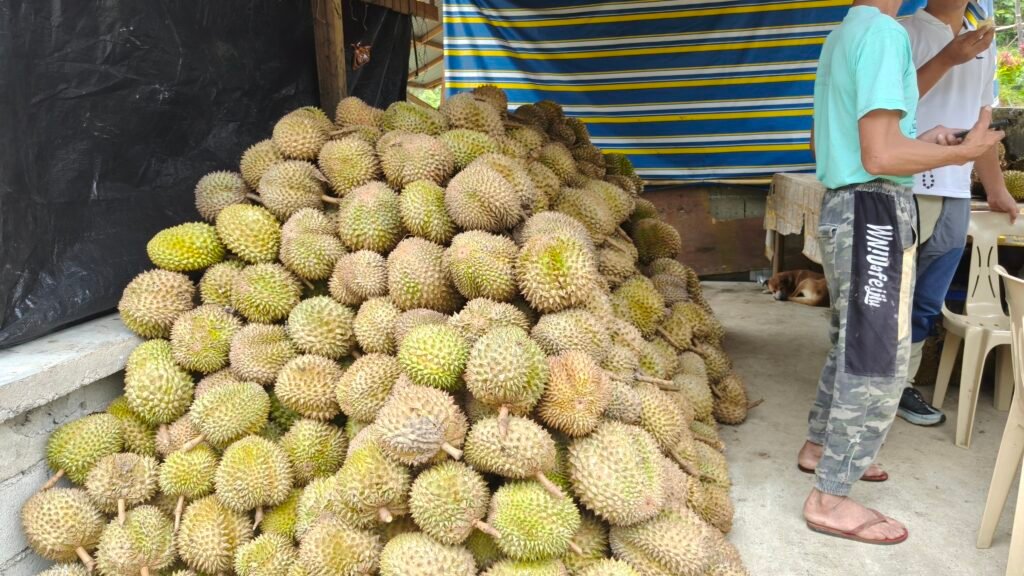
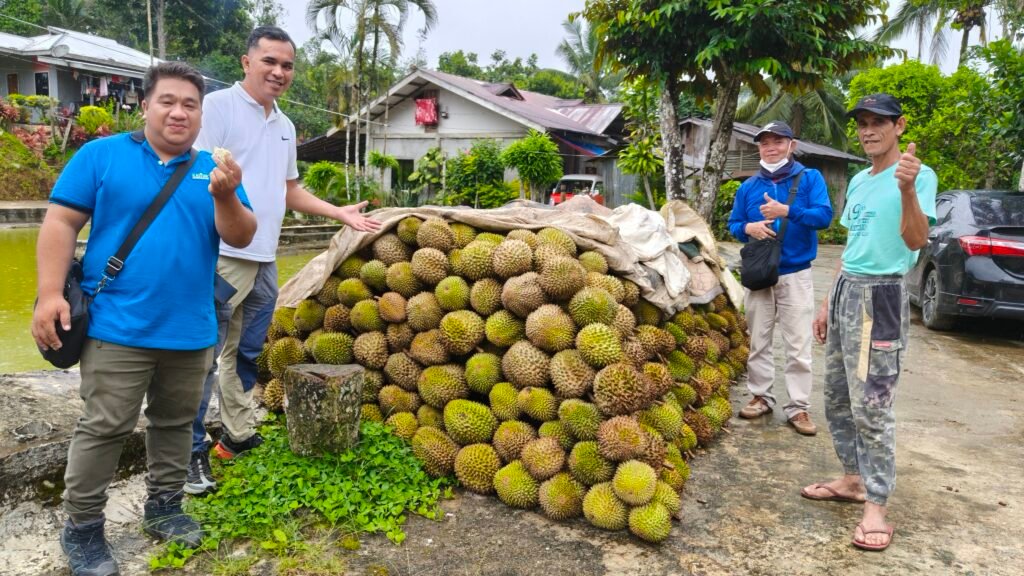
What began as a handful of seedlings had grown into a productive plantation. Each harvest season brought more fruits—and more opportunities.
The durian plantation became a reliable source of income for Macoy’s family. With the additional earnings, he was able to invest further in his farm and improve their quality of life.
“The durian helped us a lot. Because of this farm, we were able to support our family better,” Macoy shared.
𝐆𝐫𝐨𝐰𝐢𝐧𝐠 𝐇𝐨𝐩𝐞 𝐢𝐧 𝐭𝐡𝐞 𝐂𝐨𝐦𝐦𝐮𝐧𝐢𝐭𝐲
Today, Macoy’s farm stands as an example of what long-term agricultural investments can achieve.
Rows of durian trees stretch across his land, their branches heavy with fruit during harvest season.
For Macoy, the plantation is more than just a livelihood—it is proof that patience and perseverance can bear fruit.
“If you take care of the trees and do not give up, they will reward you in time,” he said.
His story has also inspired other farmers in the community to consider planting high-value crops and investing in sustainable farming practices.
The seeds planted through the MaVARD Project in 2005 have grown far beyond individual farms. They have nurtured confidence among farmers and strengthened the agricultural future of communities across Maragusan.
Standing beneath the shade of his durian trees, Macoy reflects on the journey.
“These harvests remind me that every small beginning can grow into something big, as long as you continue to care for it,” he said.
And with every harvest season, the fruits falling from his trees tell the same story—one of patience, resilience, and hope.