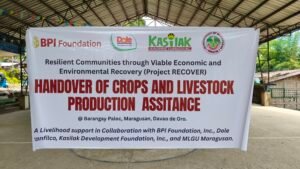

DAVAO OCCIDENTAL — In the wake of the devastating Magnitude 7.8 earthquake that struck southern Mindanao on June 8, 2026, indigenous communities across Davao Occidental are taking major strides toward long-term recovery, disaster preparedness, and sustainable energy security.
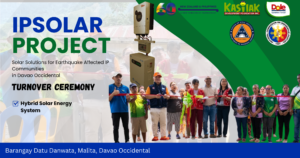
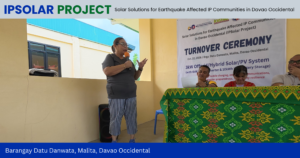
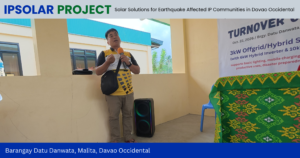
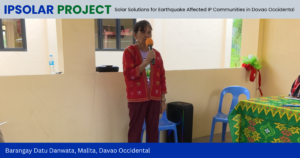
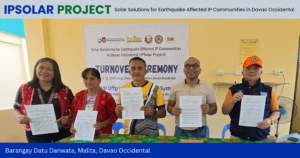
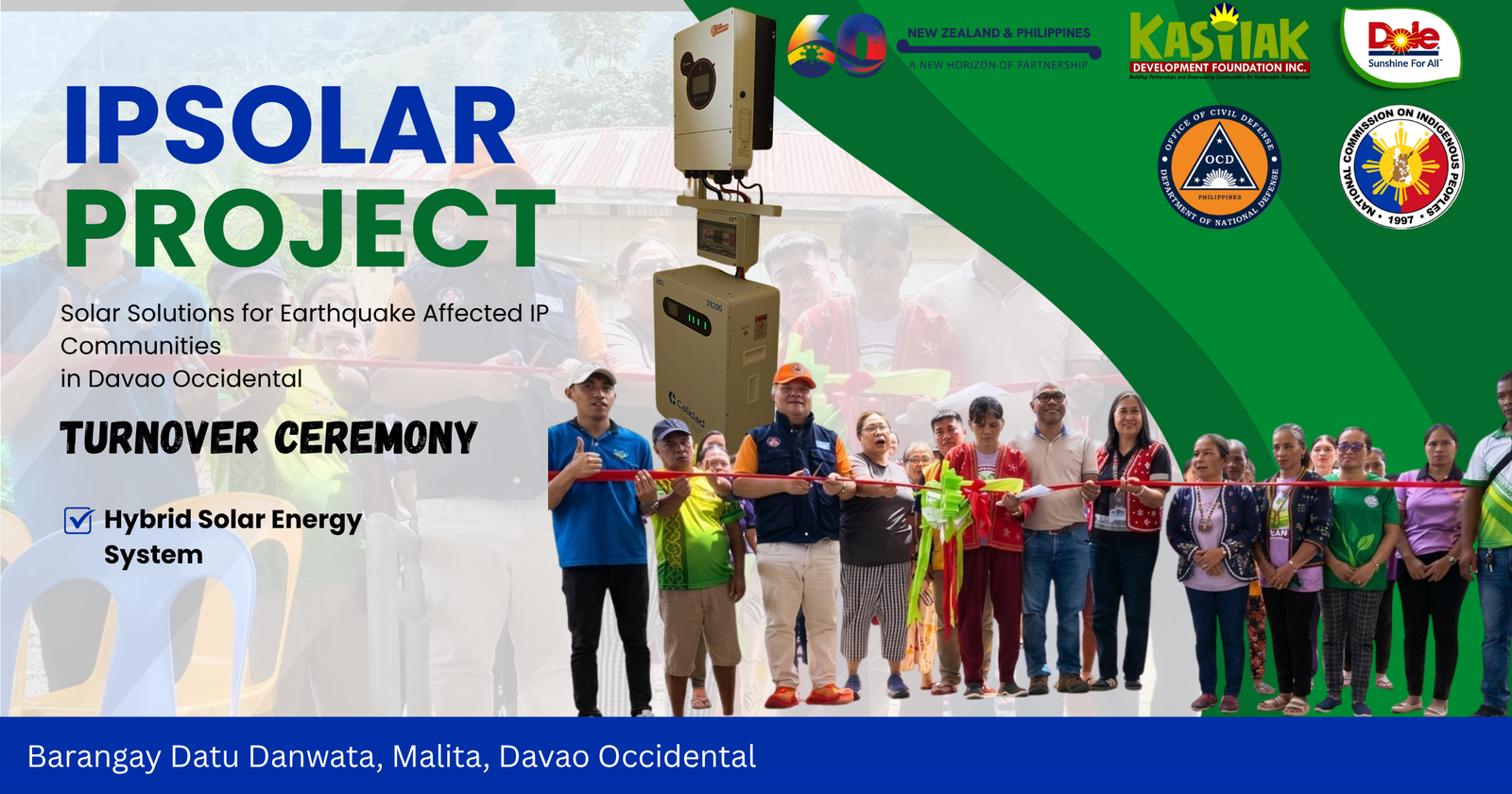
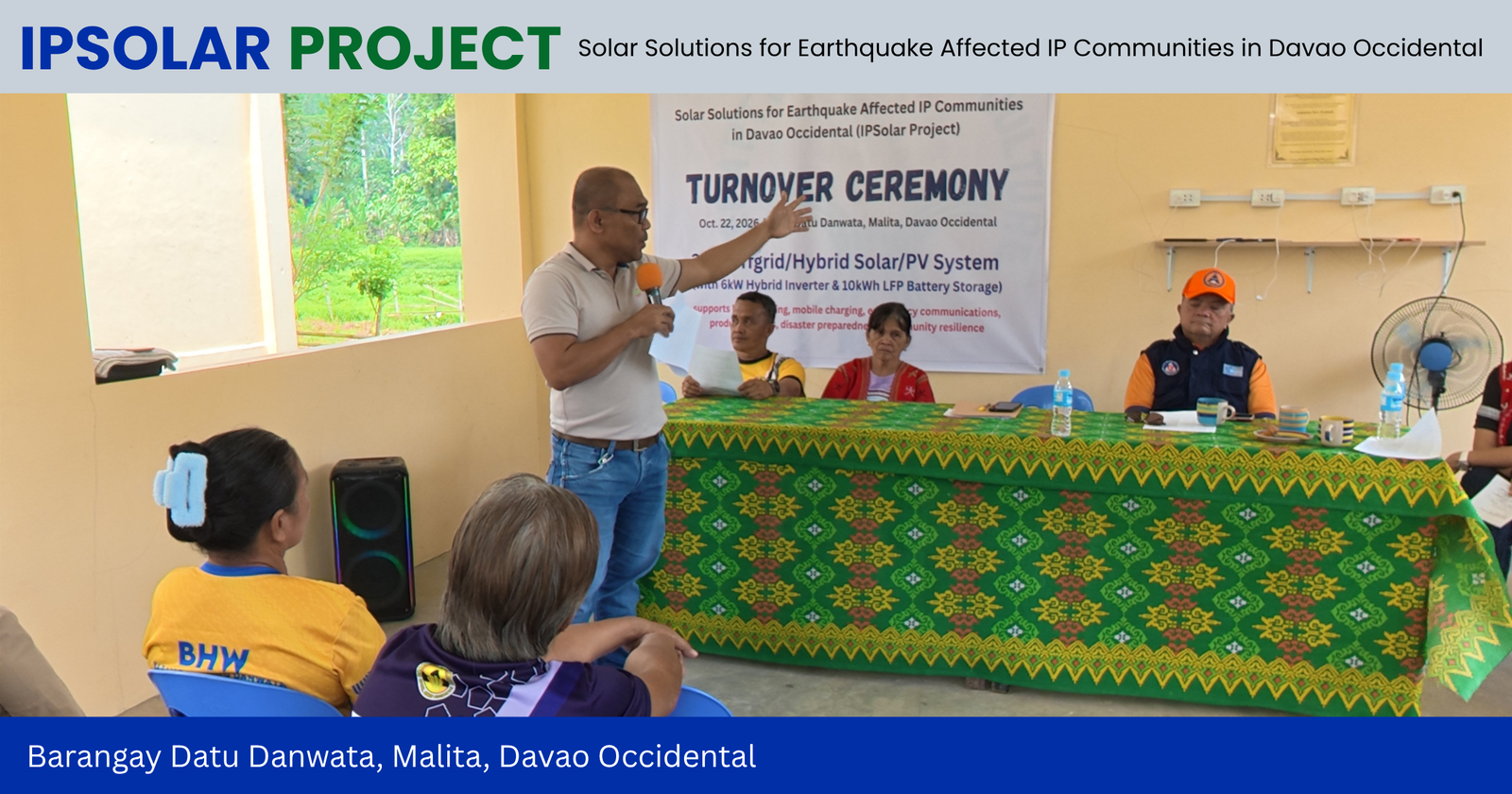
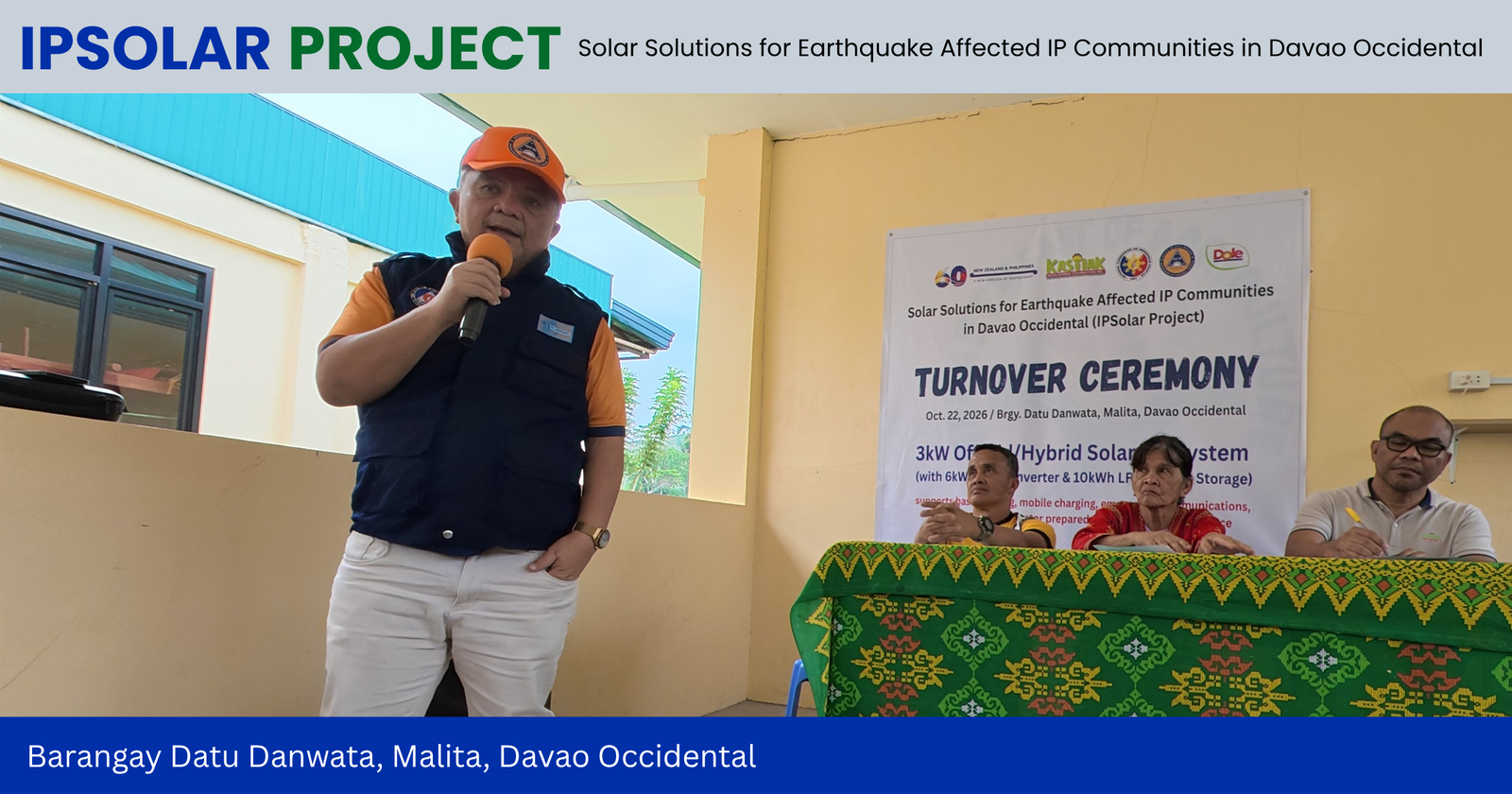
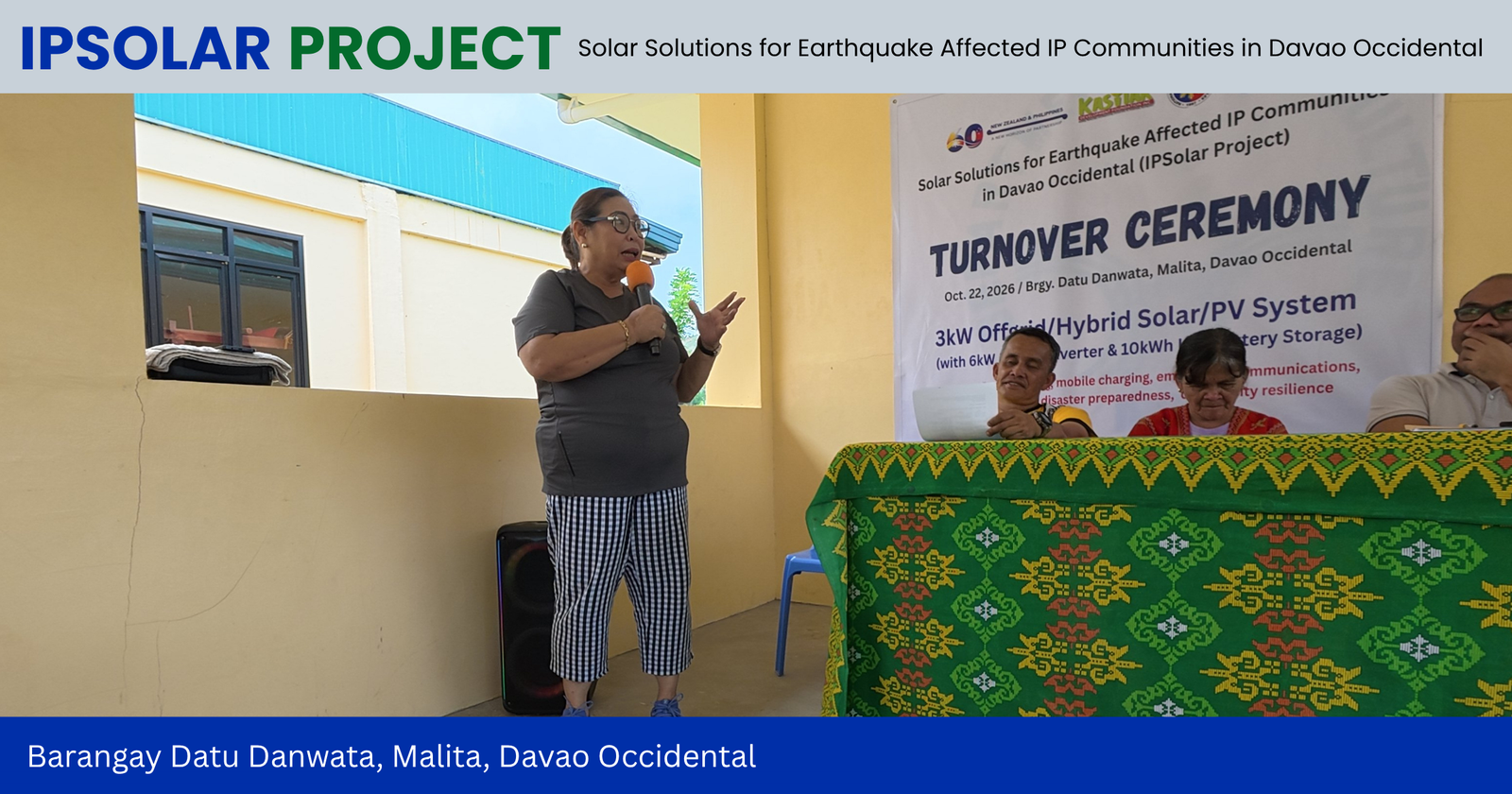
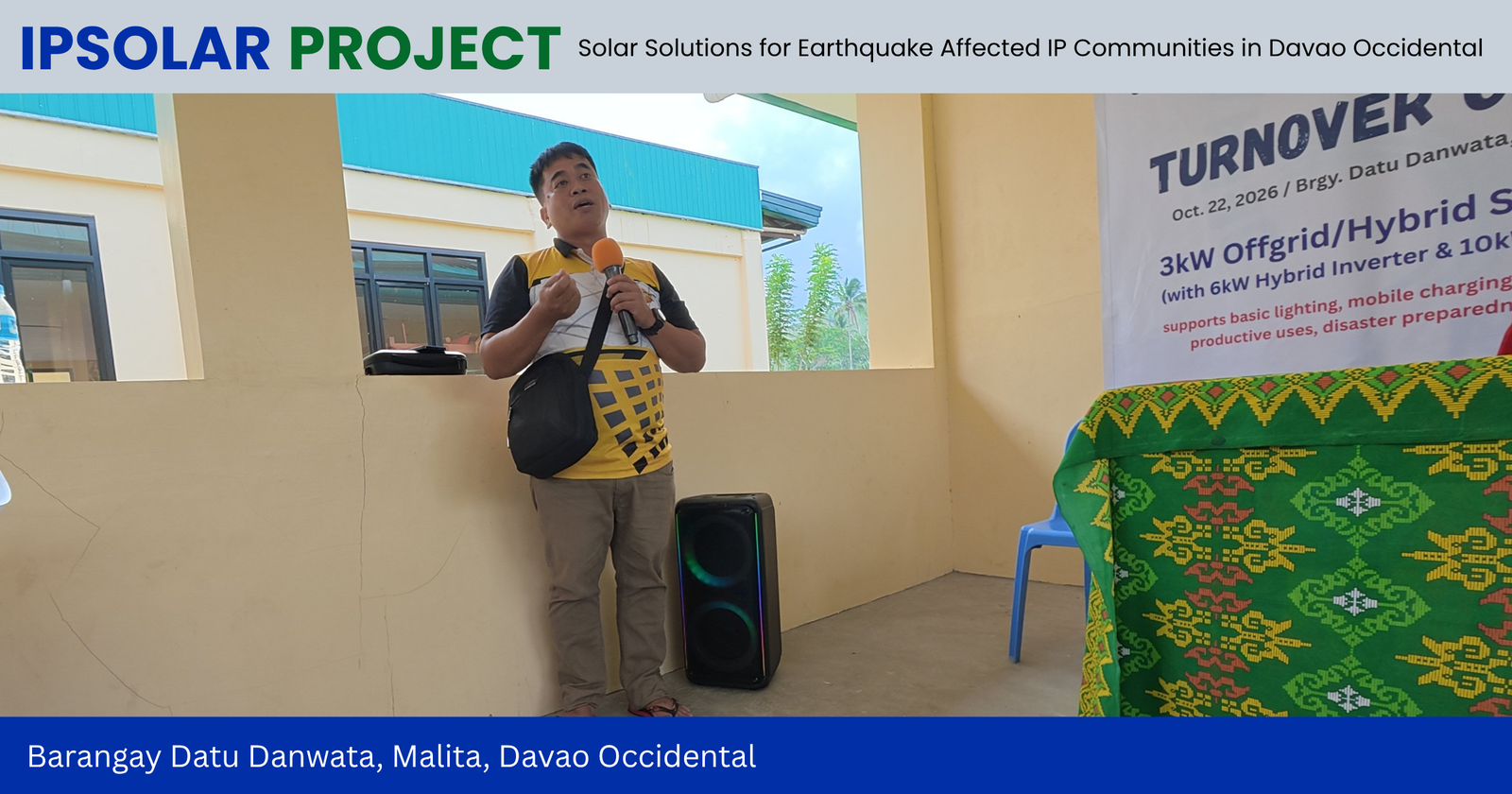
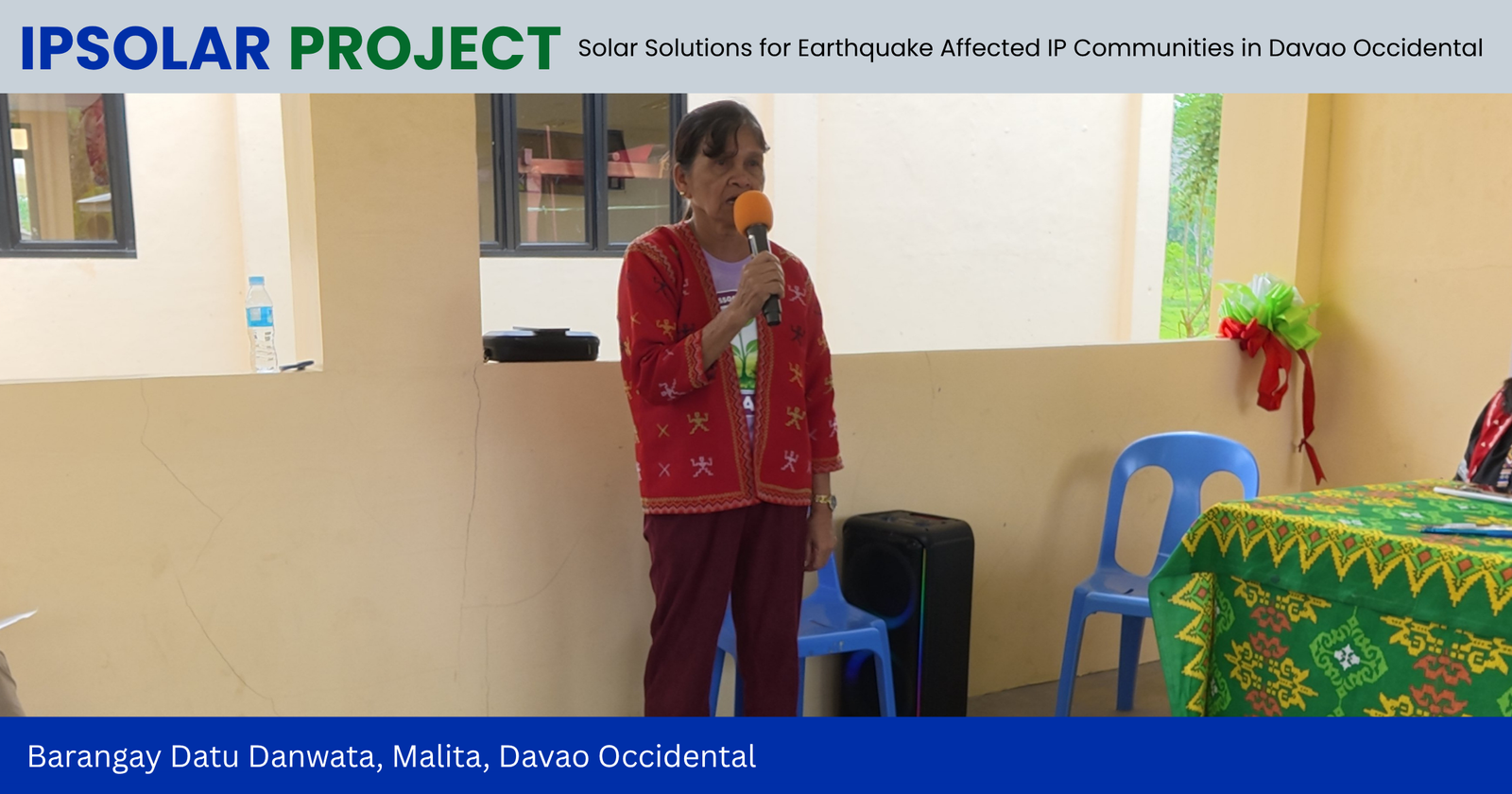
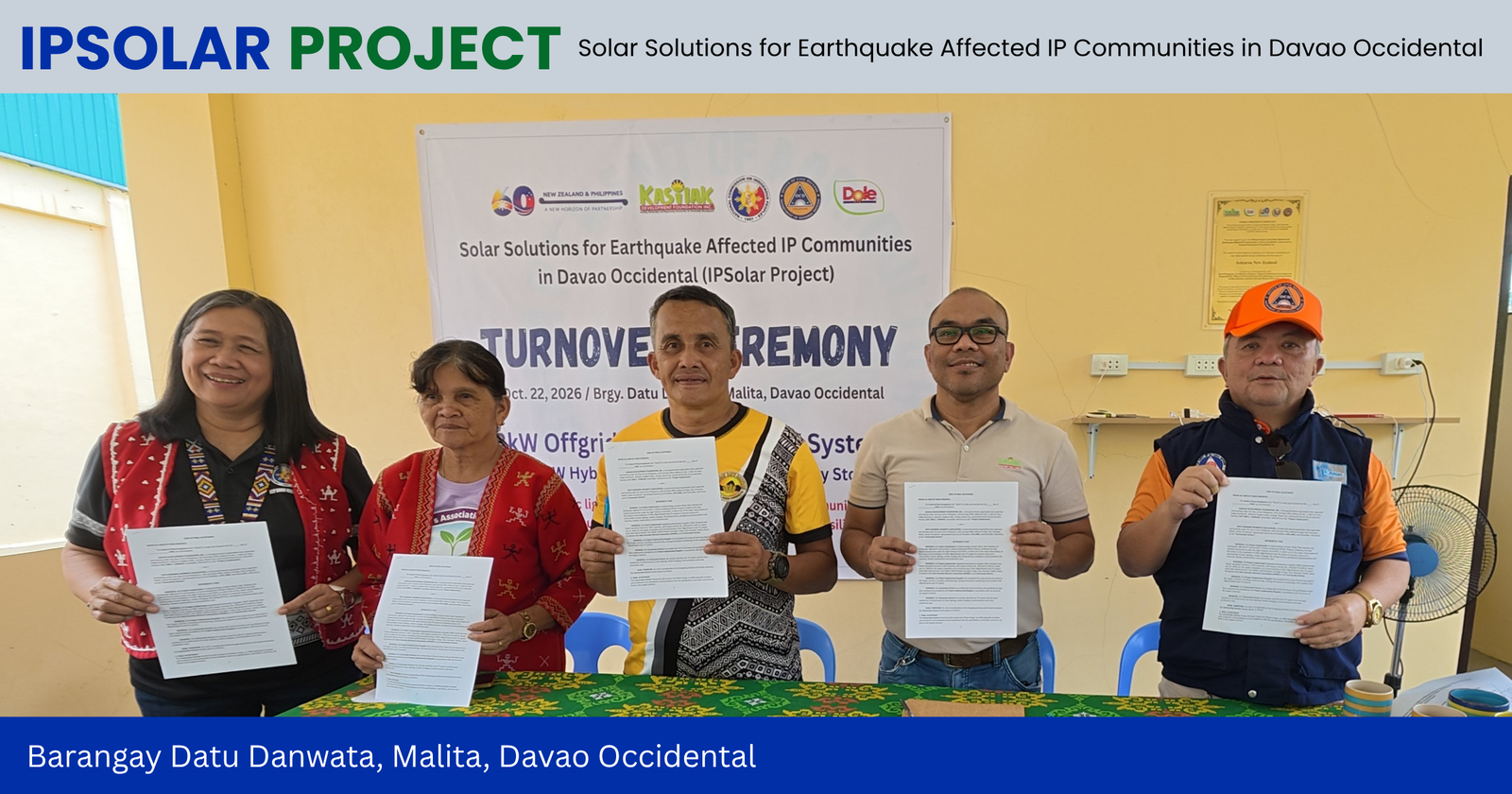
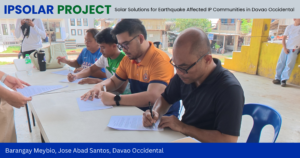
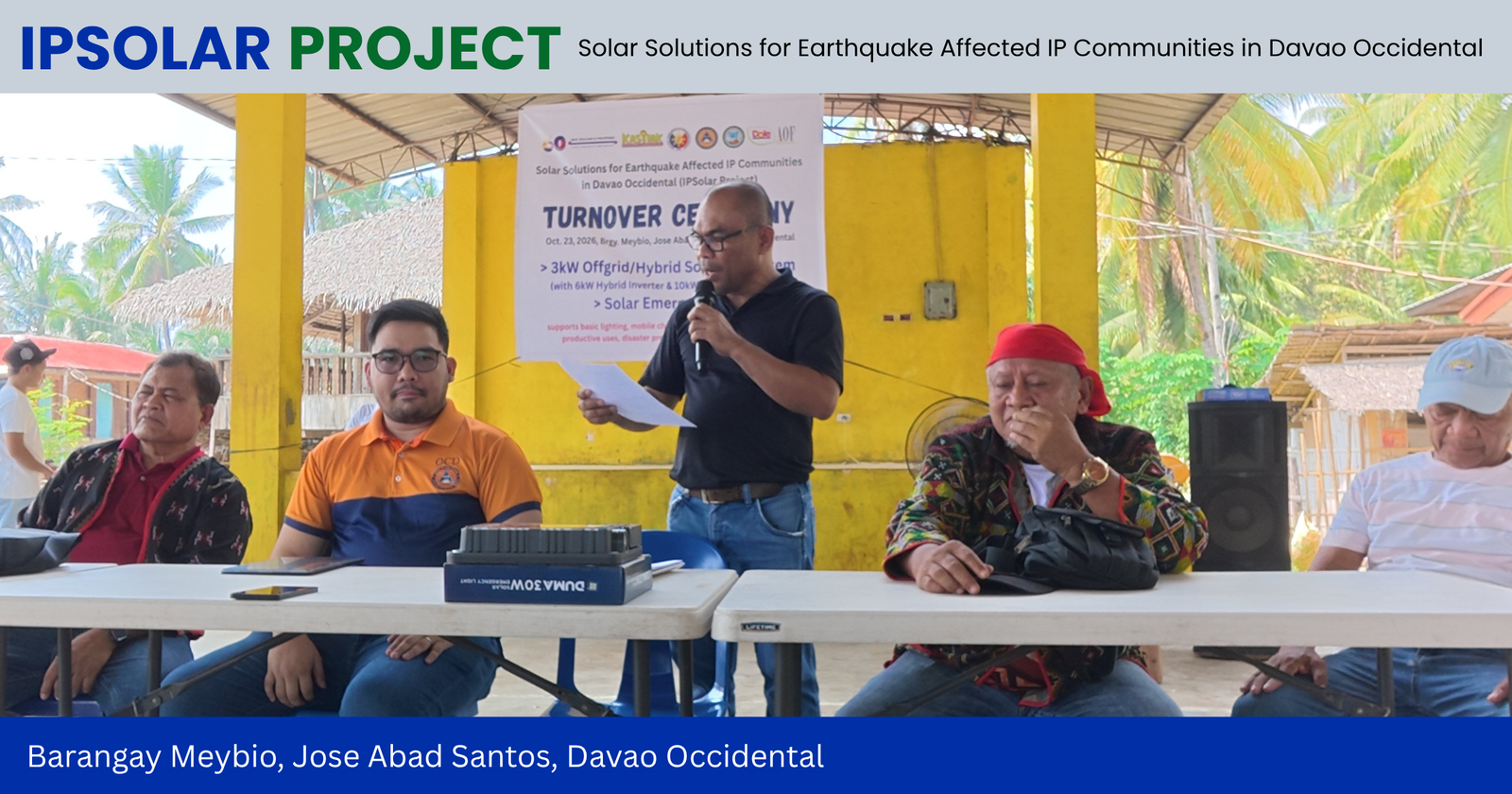
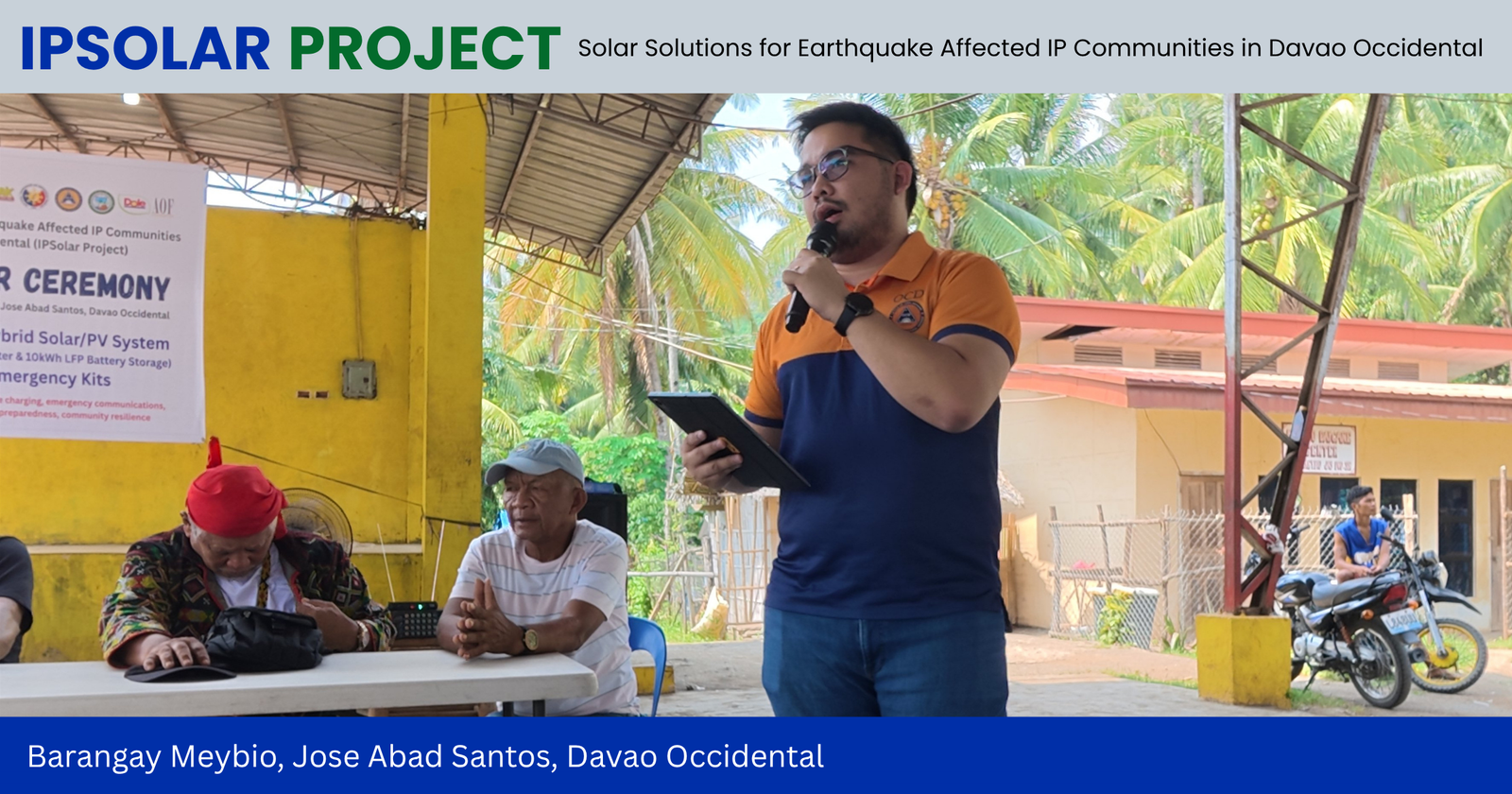
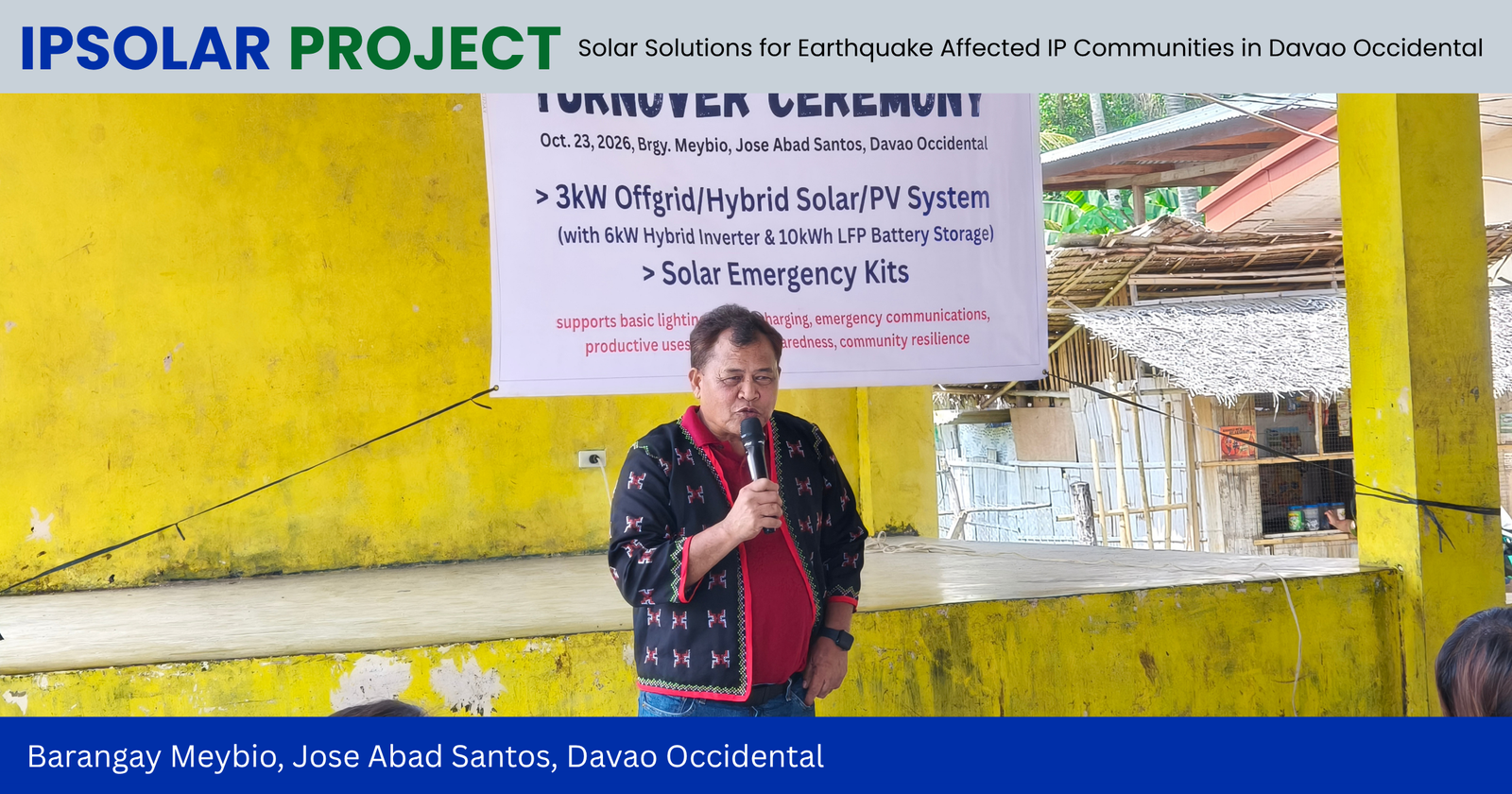
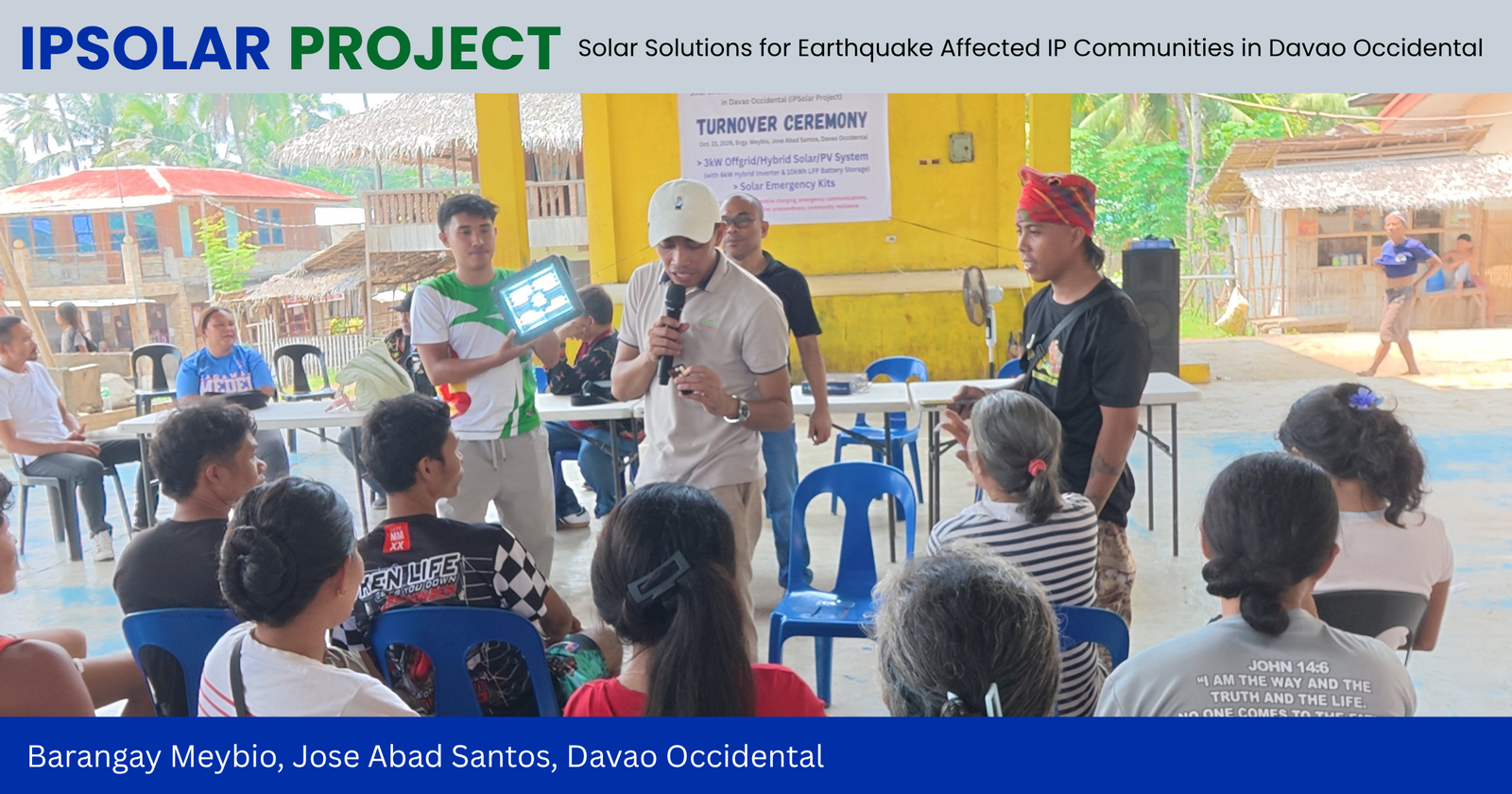
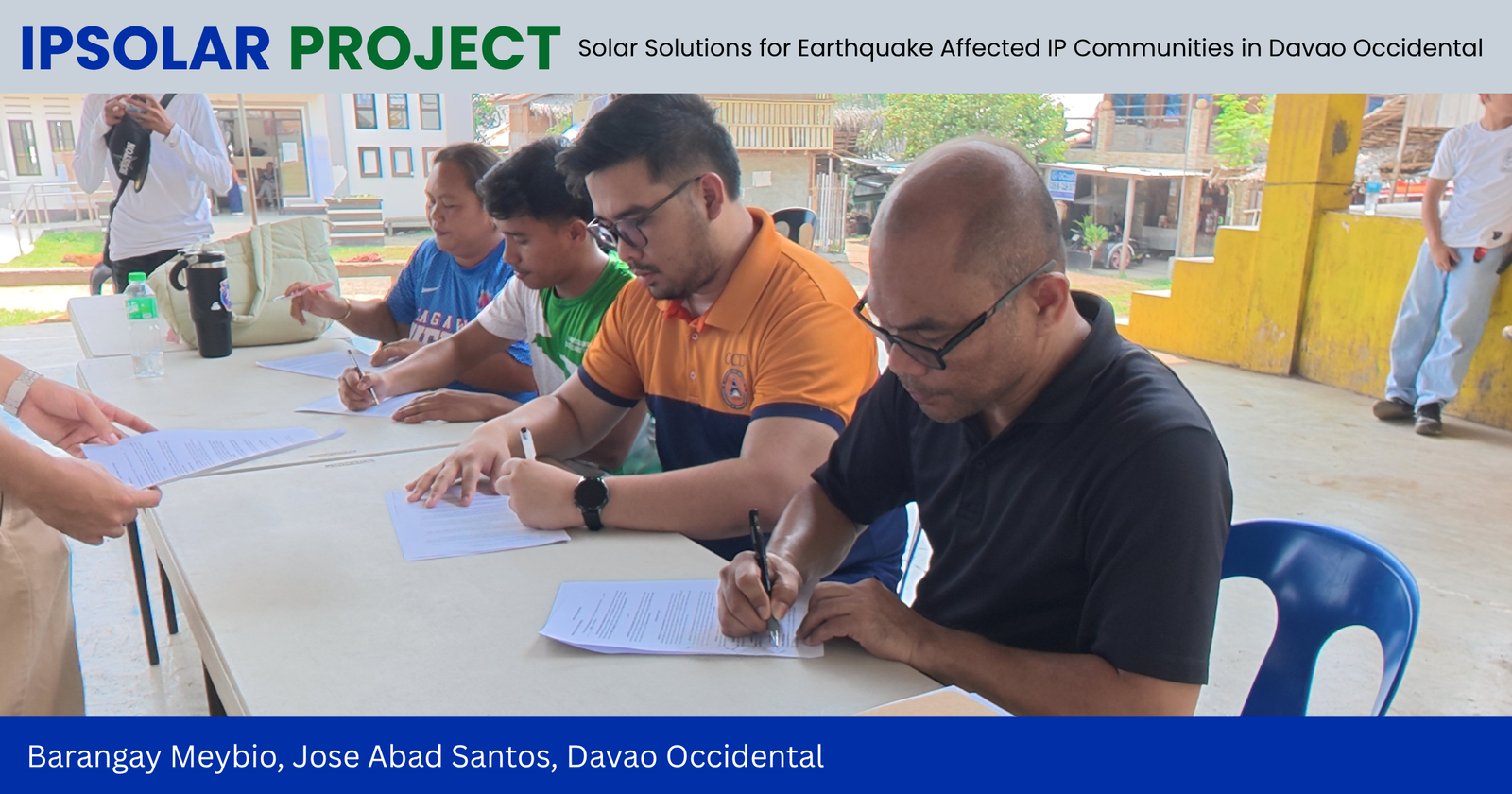
Following severe infrastructure damage, power grid disruptions, and isolated access across the region, official turnover ceremonies were conducted for hybrid solar energy systems in Barangay Datu Danwata (Municipality of Malita) and Barangay Meybio (Municipality of Jose Abad Santos).
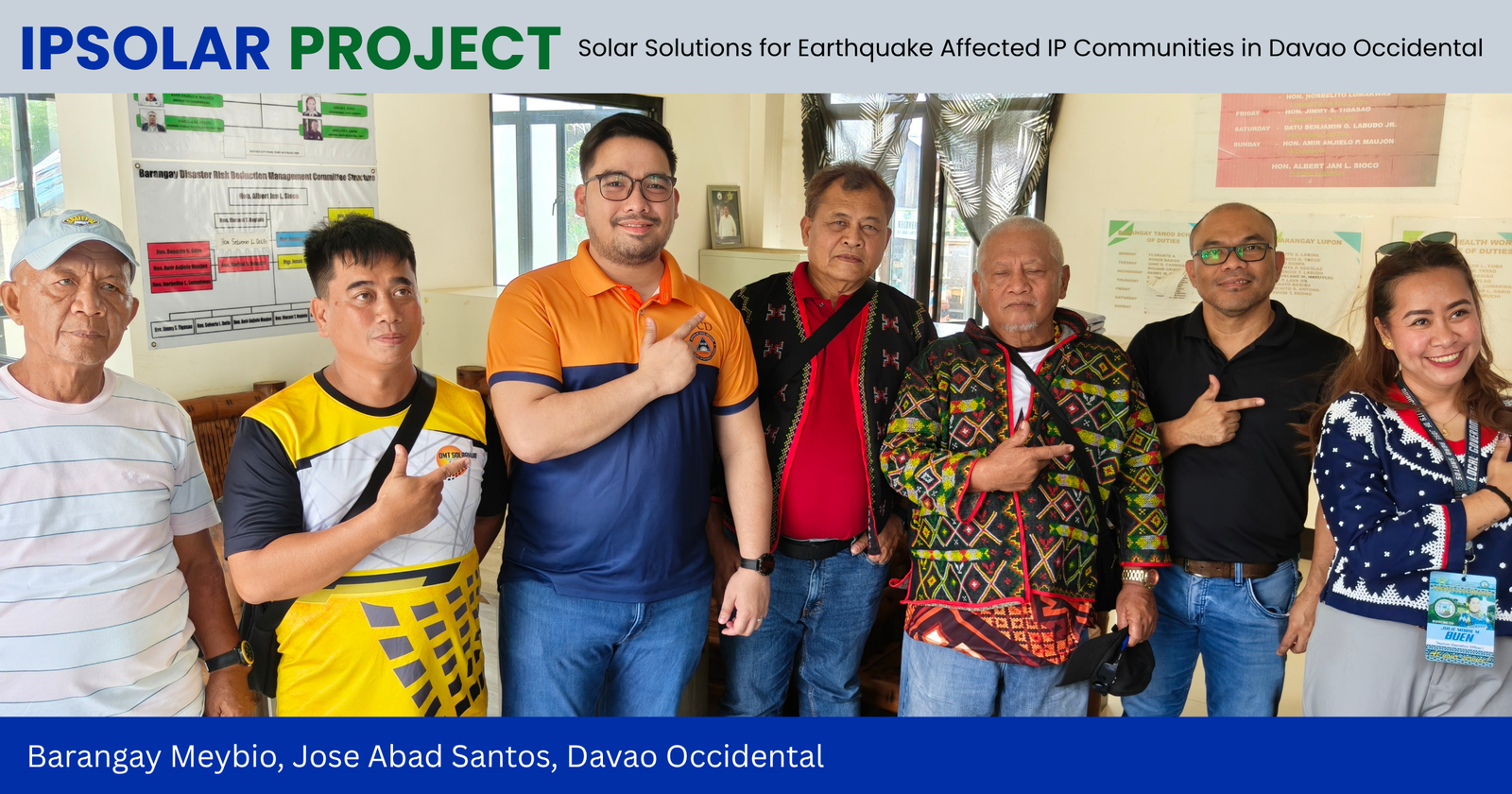
The relief and rehabilitation initiative—funded by the New Zealand Embassy in the Philippines, implemented by Kasilak Development Foundation, Inc. (KDFI) (the CSR arm of Dole Philippines/Stanfilco), and coordinated with the Office of Civil Defense (OCD) Region XI, National Commission on Indigenous Peoples (NCIP) Davao Occidental, and respective Local Government Units (LGUs)—specifically addresses post-earthquake vulnerabilities by restoring critical energy infrastructure to remote IP areas.
1. Barangay Datu Danwata (Malita): Restoring Health Services & Empowering Indigenous Women
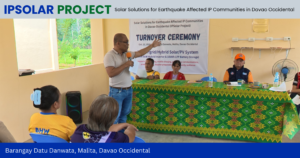
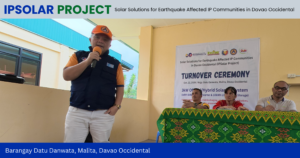
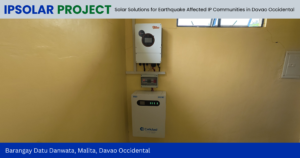
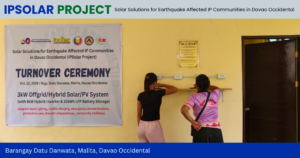
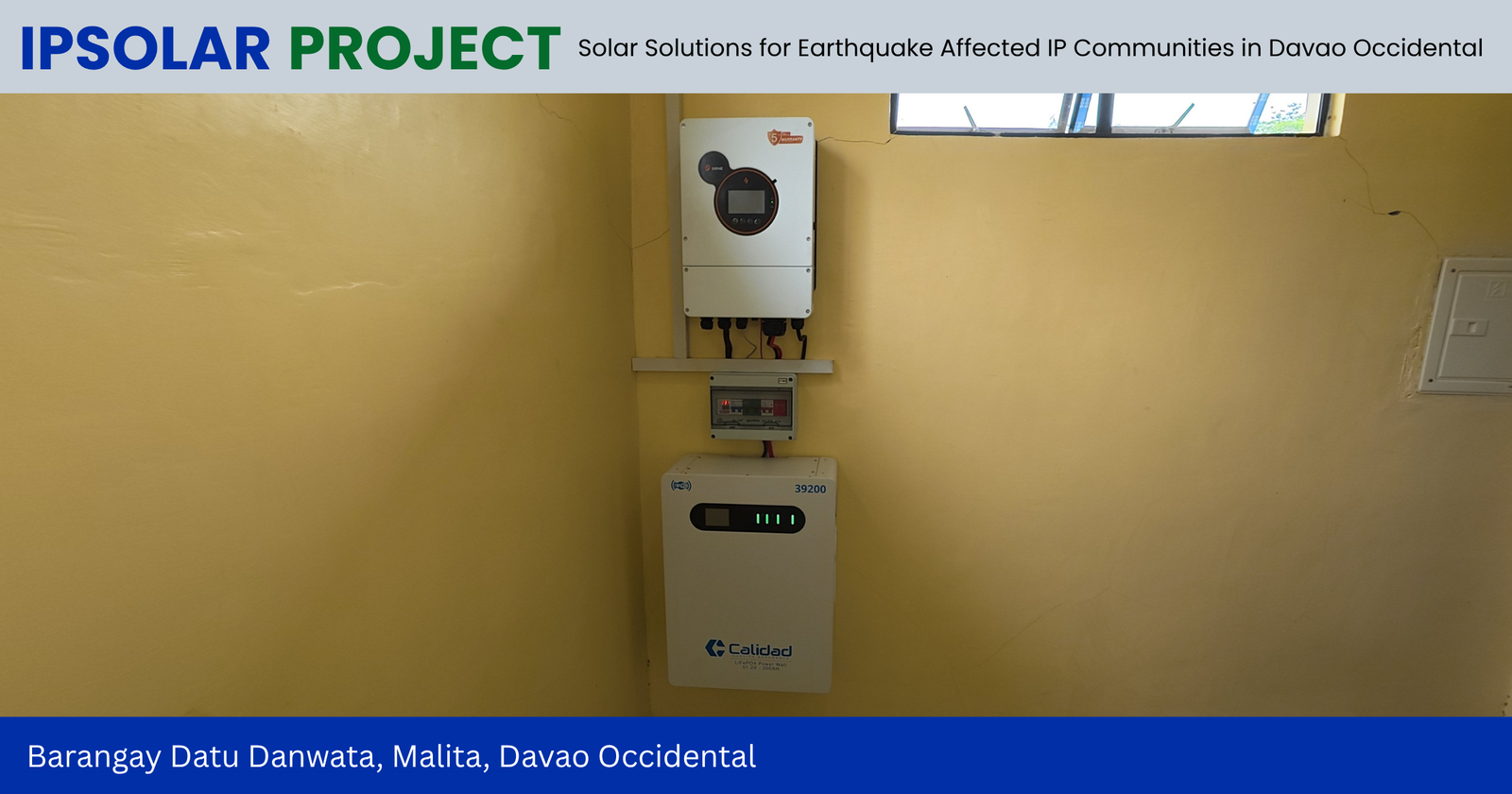
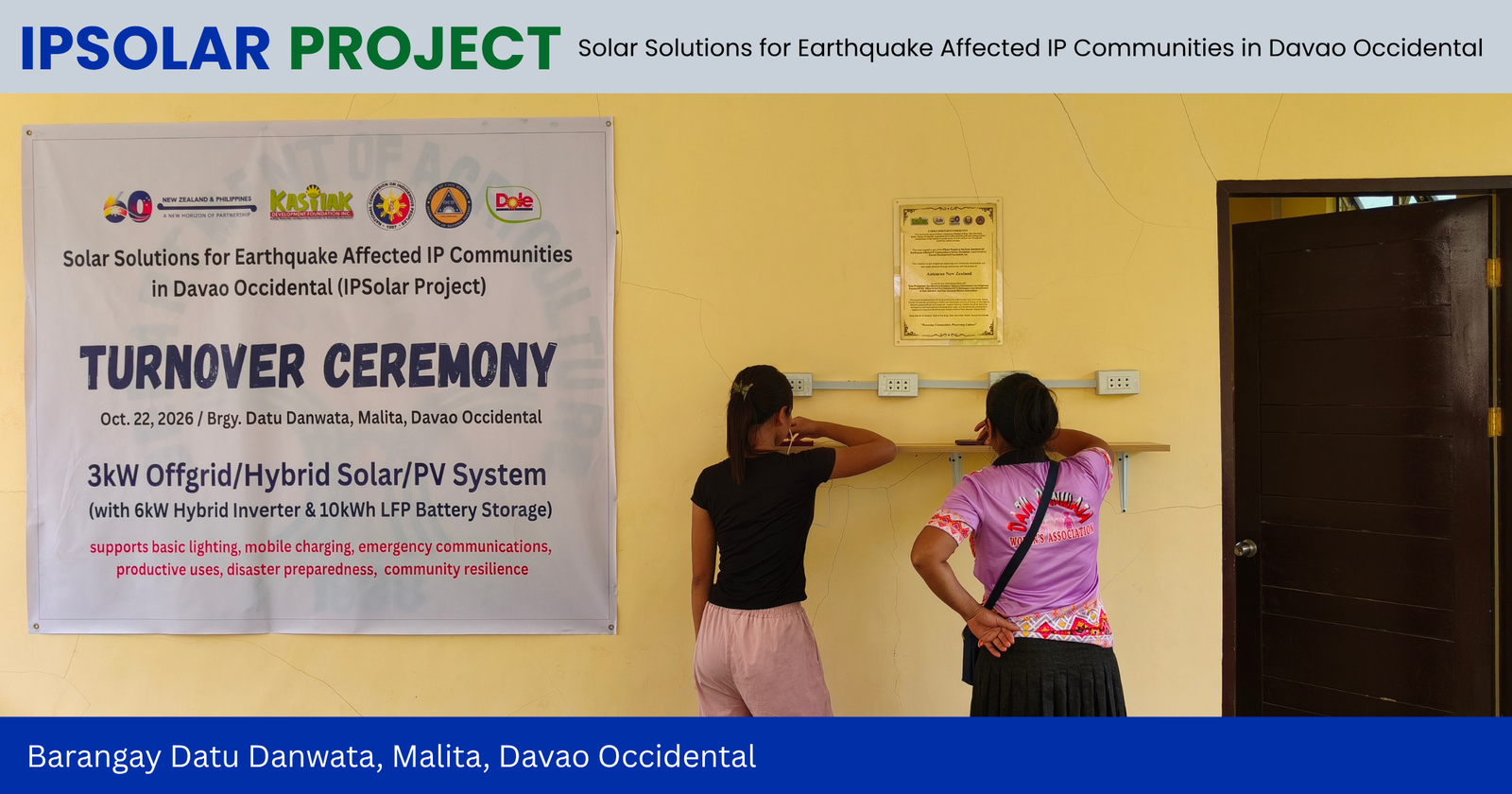
In Barangay Datu Danwata, a 3-kilowatt hybrid solar power system was officially handed over to the Datu Danwata Women’s Association (DDWA) to strengthen local disaster recovery and economic self-sufficiency.
- Emergency Lifeline & Health Operations: Addresses critical power instability caused by earthquake aftershocks by providing a resilient power station. This supports local health center operations—including vaccine refrigeration and medical devices—and serves as a primary hub for recharging emergency communications equipment.
- Economic Livelihood Rehabilitation: Enables indigenous women artisans to operate craft and weaving machinery without heavy electricity overheads, helping families rebuild their livelihoods following earthquake-related economic disruptions.
2. Barangay Meybio (Jose Abad Santos): Off-Grid Power for Disaster Response and Household Relief
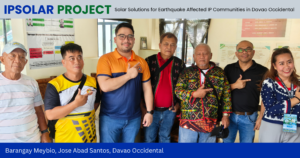
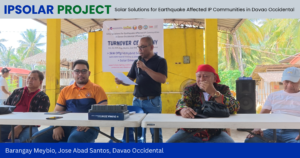
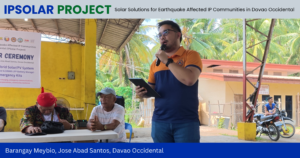
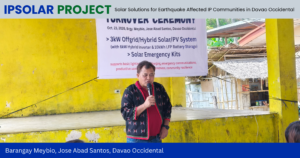
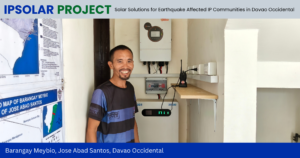
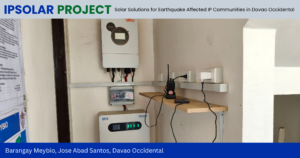
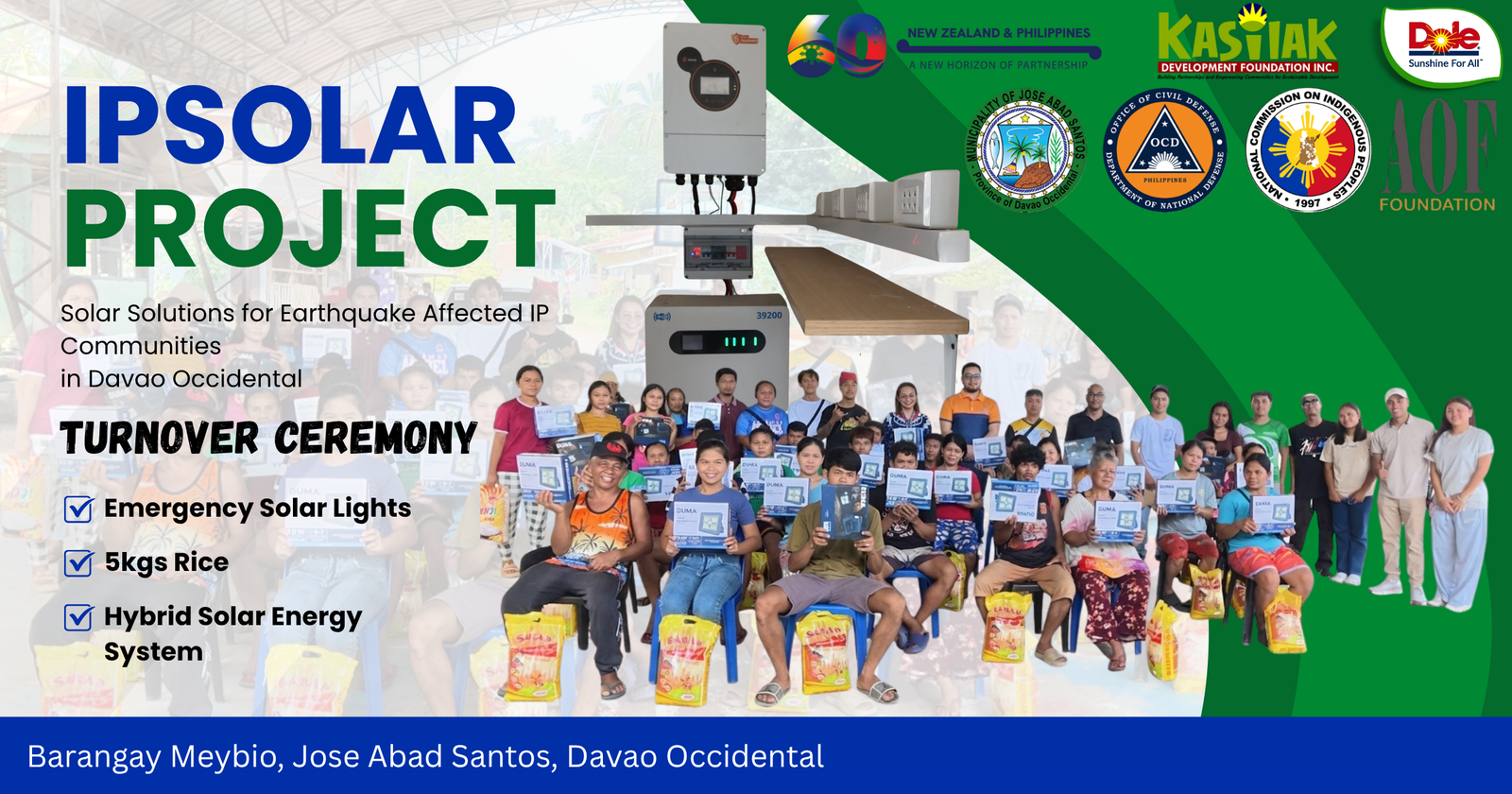
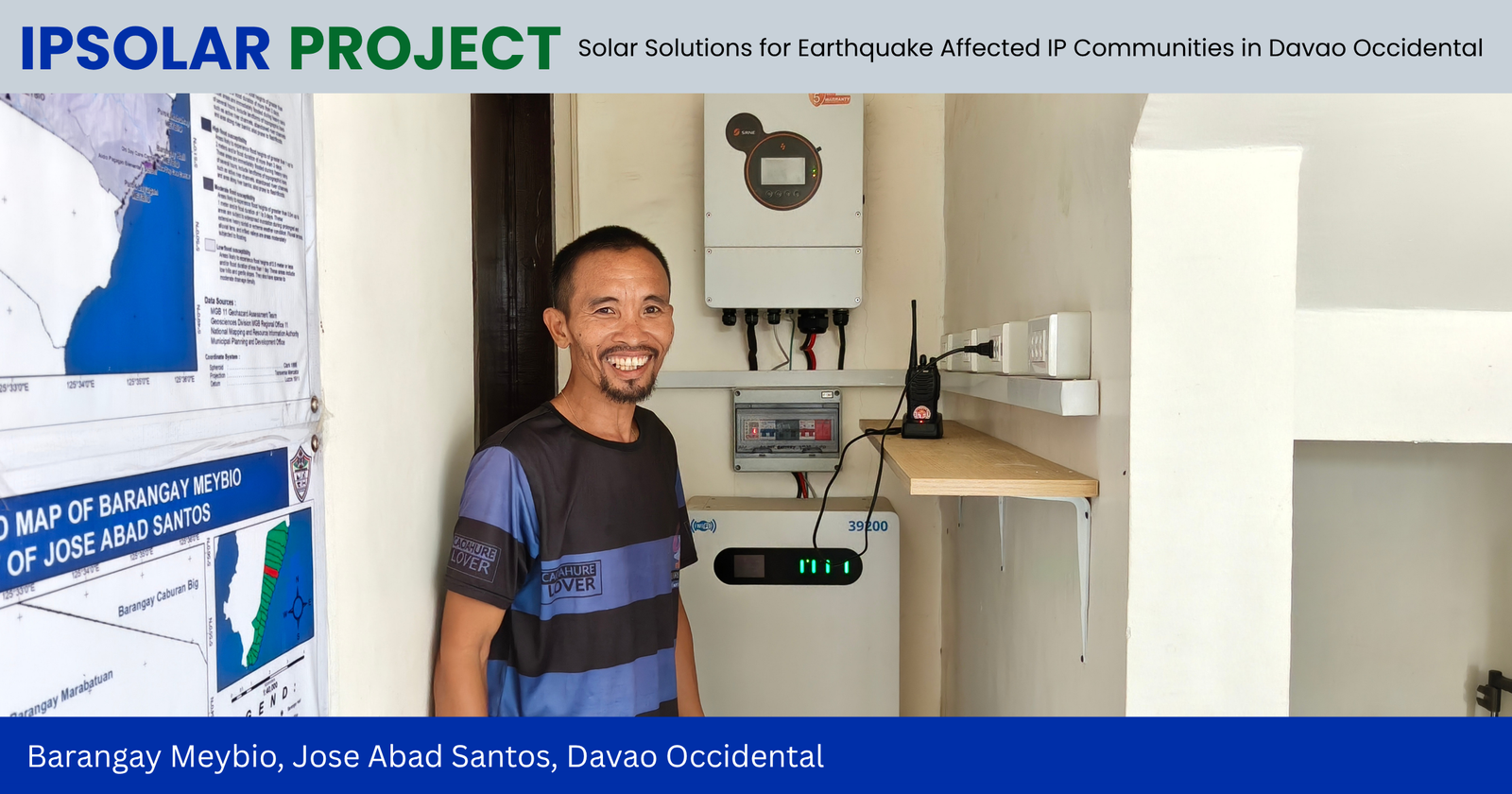
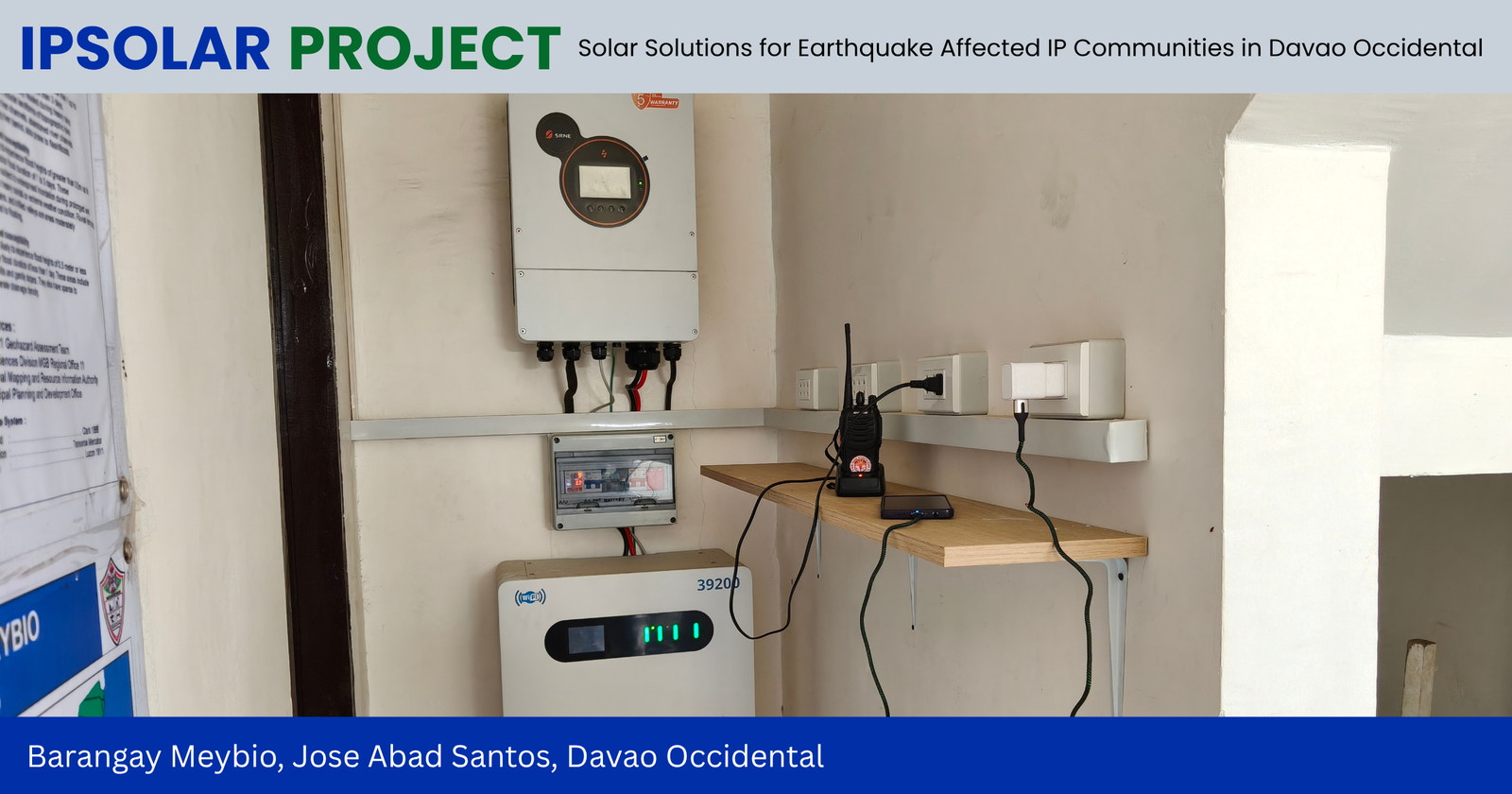
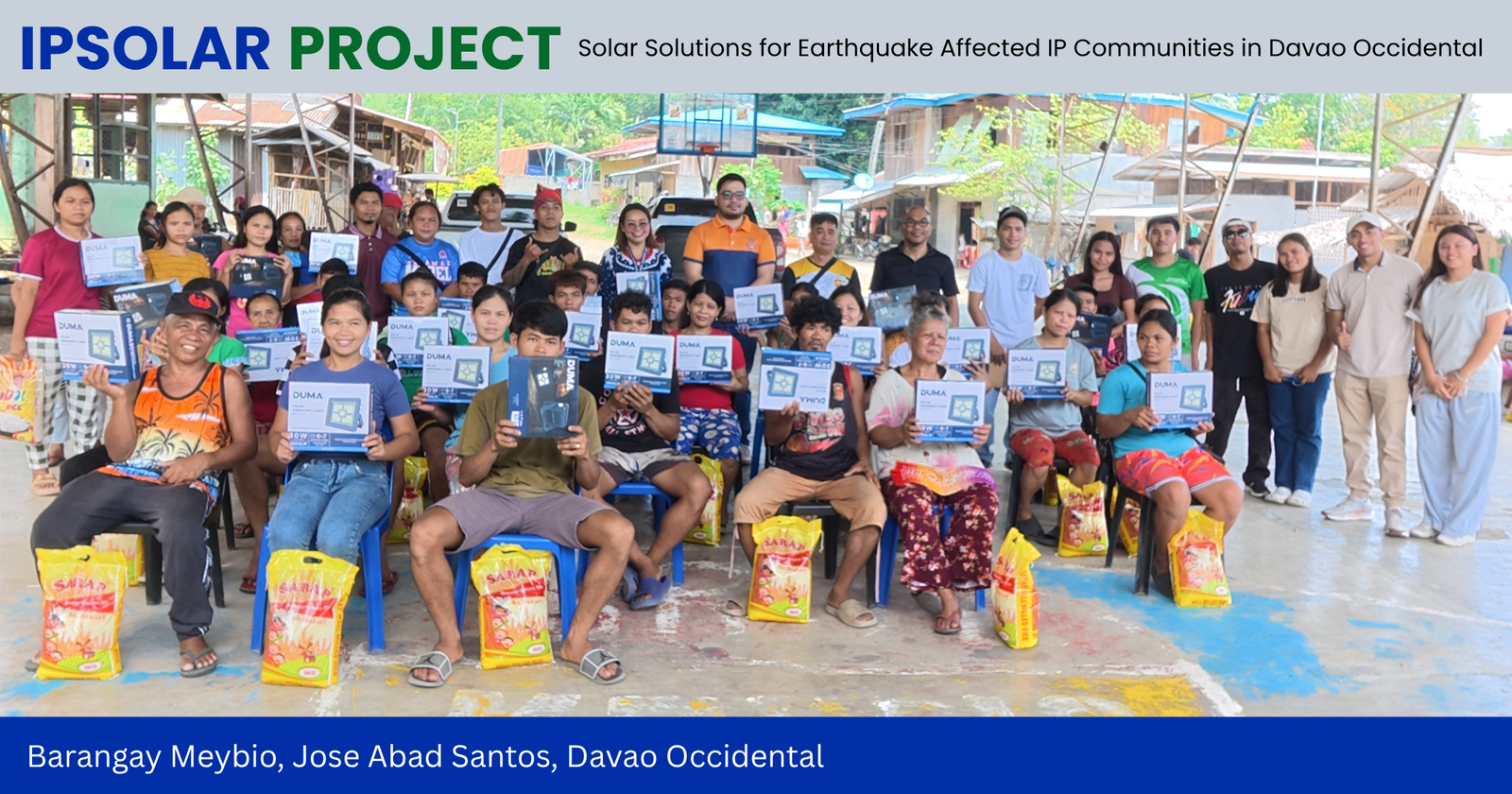
Barangay Meybio in Jose Abad Santos, a municipality heavily impacted by landslides and prolonged blackouts following the June 8 quake, received a major infrastructure boost with the installation of a 3-kilowatt off-grid hybrid solar power system at the Barangay Hall.
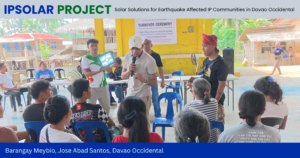
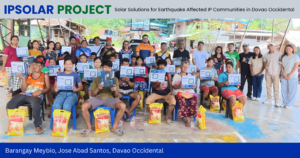
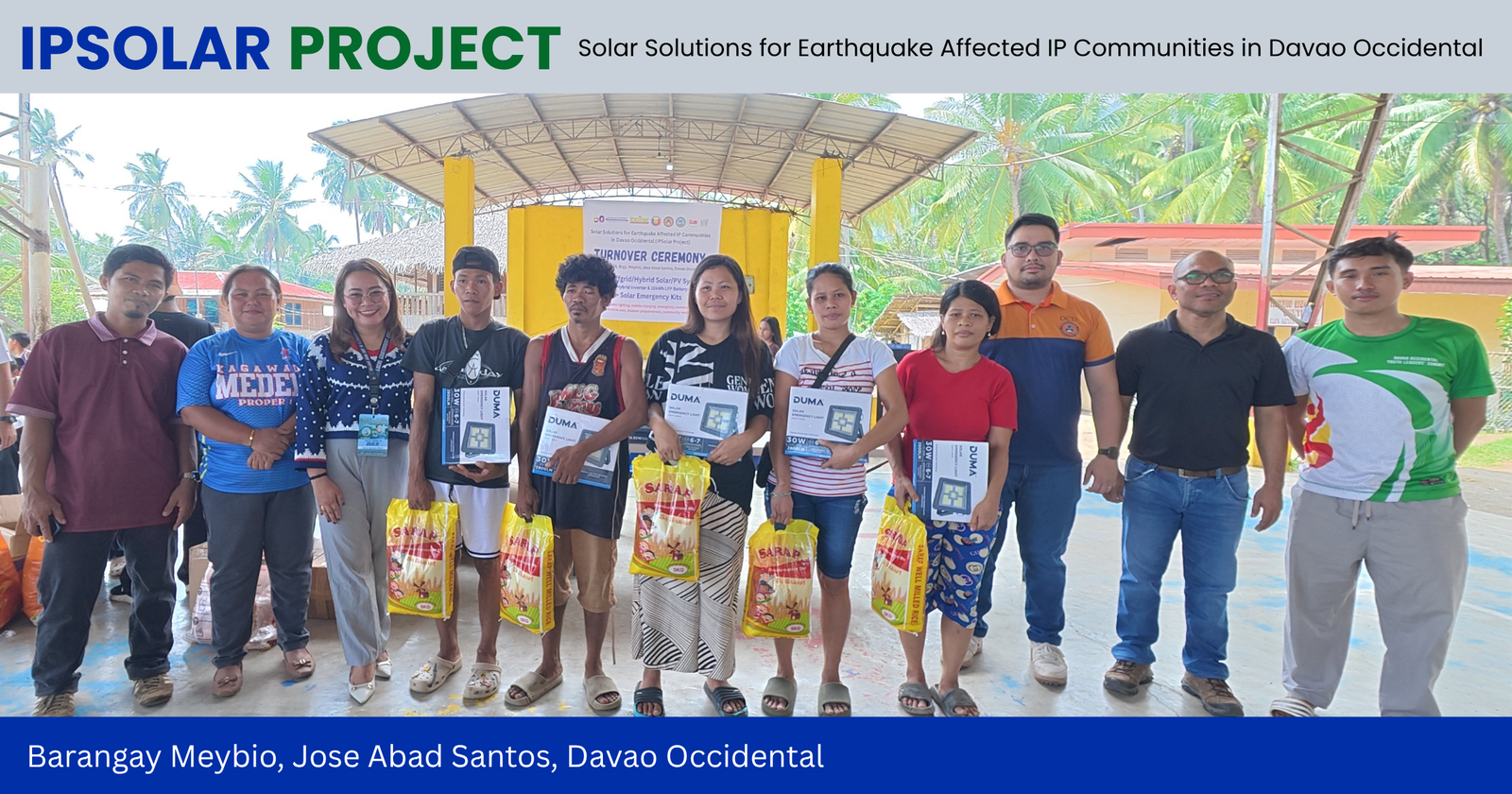
To directly assist displaced and affected families in hard-to-reach areas, project partners also distributed 50 sets of Portable Solar Emergency Kits and 5 kg of rice assistance per family.
- Disaster Response & Command Hub: Guarantees continuous power for the local Barangay Hall, allowing local officials and emergency responders to coordinate relief and recovery efforts without reliance on damaged power grids.
- Direct Assistance to Isolated Sitios: The portable solar lighting units and food supplies bring immediate light, safety, and subsistence to families living in remote sitios where grid restoration remains challenging.
Strategic Impact Summary
| Location | Infrastructure / Support Provided | Key Beneficiaries & Impact |
| Brgy. Datu Danwata (Malita) | 3 kW Hybrid Solar Power System | Datu Danwata Women’s Association, local health center, and community emergency hub |
| Brgy. Meybio (Jose Abad Santos) | 3 kW Off-Grid System, 50 Portable Solar Kits, 5kgs Rice Assistance | Barangay Command Hub, local emergency responders, and 50 isolated IP families |
A United Front for Post-Disaster Build-Back-Better
The installation of these hybrid solar systems marks a crucial step in Davao Occidental’s post-earthquake rehabilitation. By uniting international donors, non-government organizations, national disaster agencies, and tribal leadership, the initiative ensures that vulnerable Indigenous Peoples (IP) communities build back stronger, safer, and better prepared for future natural hazards.